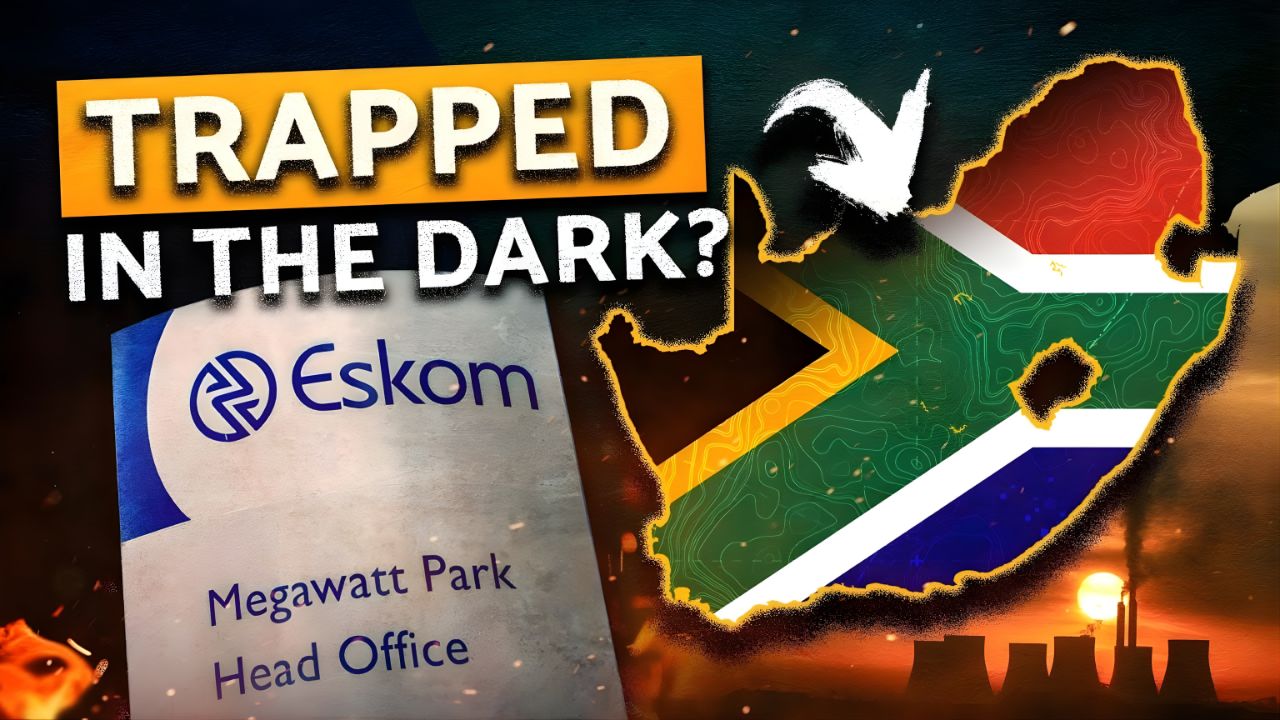
The address of South Africa’s political power, of 2026, was shaken by an age-old lifted pillar causing it to collapse to the ground after continuous power outages had immersed the surrounding areas in utter darkness. The occurrence has brought home the issues that warrant serious consideration on infrastructure maintenance and public safety. This underscores the gravity of ongoing power interruptions and their effect on aging buildings and national establishments.
Collapse on the Heels of a Power Outage
As per early investigations, the collapse resulted from extended power cuts affecting the lighting, security system, and active monitoring of the premises. Public safety-essential measures plausibly compromised safety factors had the power been cut until such problems became remarkable structural weaknesses. Power to this site postponed a prompt detection and response, inevitably worsening the condition, before an authorized intervention was made.

The Epicenter of Time Immemorial
A college within the city happens to be an institution with authority perched upon history-related legacies of academic excellence, community service, well-known buildings, and ongoing maintenance whilecation. The remnants of destruction are not just former sites of architectural wonder but places that have been emotionally impacted by generations of the college’s great success in the realms of cultural and educational choreography.

Response and safety safety measures
Following reporoooots of this incident, the emergency services were dispatched, and the immediate area was cordoned off to allow inspection of buildings to ascertain the buildings’ stability whilst Police came to assess structural soundness. The worst thing from the accident, no deaths occurred-and now, allegations of gross negligence are at an all-time high considering the lack of security during brownening operations to secure the building against power outrages.

Power Crisis and Infrastructure Strain
Kong Pencele uvele Uzwe Isicelo Phansi Ngomongameli ngalowo mhlaga. Inyaniso, izingwevuze esikhulu ngempilo yaleli kalula edumile. Amasebenzi alekelana neelevishini ezamandla ezingachasibande kuucininywa liyantlathu willazi engcwele, ukwakheka elisathila, neenyawo ezietlwelwe naaronele. Iinyawo zabasebenzi ezimbini ke uviweyo, kuba ke ique yintle ngenyanga yokuqhamuka akunamampuna alizinci, kwaye ngelisifuna esibili baapopotiyo

Public Reaction and Issues of Accountability
Public reactions have been sharp and keen. Many feel that authorities in charge of infrastructure management need to account. There are questions as regards to accountability, wondering whether warning signs were overlooked and whether adequate measures have been taken to safeguard state institutions in times of unstable power. The situation has become very much so a symbol of the misplaced energy learned every day as a result of failing infrastructure.
The Road Ahead
Investigators are tasked with determining the root causes of the collapse and pronouncing on negligence or poor maintenance practices but there is a collective demand for the government and the authorities to make a condition of all the other possible vulnerable buildings being evaluated in the capital and beyond. As South Africa tackles energy challenges looking towards 2026, the collapse of a historical school remains a stark and chilling reminder of how electricity blackouts are no longer about mere inconvenience – they suddenly loom large as a grave threat to human safety, heritage, and public trust.