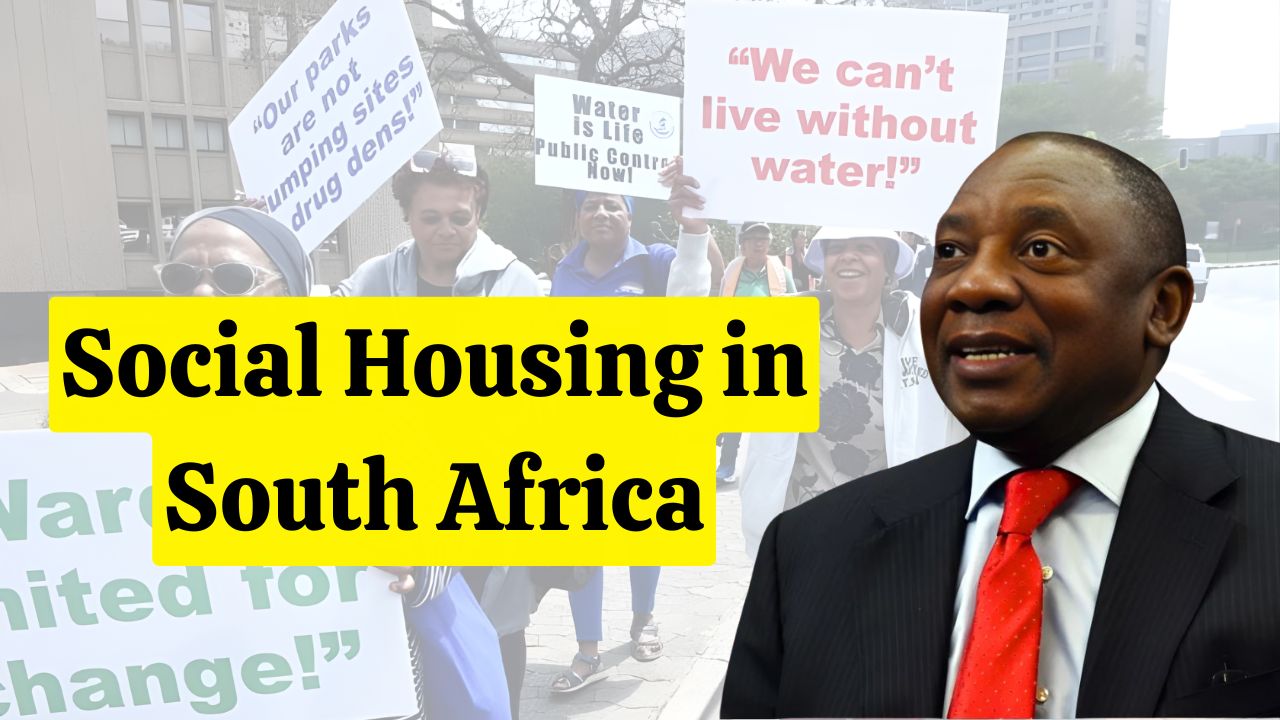
South Africa’s social housing sector is facing mounting challenges that have pushed the system toward what many analysts describe as a “death spiral.” Once seen as a key mechanism for addressing urban housing shortages and improving living conditions for low-income families, social housing is now grappling with deep structural weaknesses.
Dwindling Funding and Budget Constraints
A central issue confronting social housing in South Africa is tightening financial support. Budget constraints at both national and provincial levels have left housing authorities struggling to maintain existing units, let alone build new ones. As costs rise and allocations stagnate, planned projects are delayed or shelved, eroding the effectiveness of social housing delivery.
Aging Infrastructure and Service Backlogs
Many existing social housing units suffer from aging infrastructure, with deferred maintenance leading to frequent breakdowns and deteriorating living conditions. Roof leaks, plumbing failures, and electrical issues are becoming increasingly common as backlogs in repairs accumulate, placing additional strain on already vulnerable tenants.

Rising Demand and Insufficient Supply
The demand for affordable housing in South Africa continues to grow due to rapid urbanisation, high unemployment, and persistent inequality. Yet the social housing supply has failed to keep pace. Long waiting lists have become the norm, with thousands of households spending years in temporary accommodation or overcrowded rentals while waiting for placement.
Administrative and Governance Challenges
Weak governance and administrative inefficiencies have compounded the turmoil in the social housing sector. Fragmented responsibilities across government departments have led to delays in project approvals, poor oversight of housing authorities, and misalignment between policy goals and on-the-ground execution. These issues undermine efforts to deliver effective housing solutions.

Funding Mechanism Issues
The funding model for social housing has also been criticised for its limitations. Heavy reliance on government subsidies with insufficient private investment has restricted the scale of development. Without sustainable financing mechanisms, housing authorities find themselves unable to leverage new resources or partnerships to expand capacity.
Impact on Residents and Communities
For residents, the collapse of social housing translates into deteriorating living conditions and insecurity. Many occupants struggle with basic service interruptions, rising utility costs, and uncertainty about the future. The social cohesion that effective housing programmes can foster is weakened when communities feel abandoned by the system meant to support them.

Policy and Implementation Gaps
While policy frameworks for social housing exist, implementation gaps have prevented meaningful progress. Ambitious targets often fail to translate into deliverable outcomes because of unclear mandates, capacity shortfalls, and inconsistent monitoring. Without strong accountability mechanisms, policy intentions remain unfulfilled commitments.
Emerging Calls for Reform
In response to the spiralling crisis, housing advocates and community leaders are calling for comprehensive reform. Proposals include increased and sustained funding, streamlined administrative processes, stronger accountability, and incentives for private sector participation. There is a growing consensus that piecemeal fixes will not suffice; systemic change is needed.

What the Future Holds
The future of social housing in South Africa remains uncertain. If current trends persist, the system may continue to struggle under strain, with deteriorating infrastructure and unmet demand outpacing available resources. However, strategic interventions, collaborative problem-solving, and political will could help stabilise the sector and restore its capacity to serve vulnerable communities.
Final Takeaway
The situation for social housing in South Africa is at a critical juncture. With funding shortfalls, administrative challenges, and rising demand converging, the system’s sustainability is in question. Addressing these issues will require a concerted effort from government, civil society, and private partners to prevent the social housing network from descending further into crisis and to protect the rights and well-being of residents who depend on it.